Cars: Power, Precision, and Progress on Four Wheels
Precision Meets Entertainment: Royal Valley Casino
Before accelerating into the details of modern cars, it’s worth appreciating another world where performance, polish, and precision come together—Royal Valley Casino. This online gaming destination delivers high-end entertainment with sleek interfaces, dynamic gameplay, and top-tier features that rival the complexity of a modern engine. Just like advanced cars, Royal Valley Casino blends aesthetic appeal with powerful functionality, offering an experience that’s both exciting and reliable. Whether you’re hitting the virtual slots or engaging in live table action, the platform reflects the same seamless execution you’d expect from premium automotive engineering.

The Evolution of Cars
The story of cars begins in the late 19th century with early motorized vehicles powered by steam and gasoline. Karl Benz is widely credited with building the first gasoline-powered car in 1885, setting the foundation for what would become a global revolution in transportation. Over time, the industry has evolved through key technological milestones—internal combustion engines, mass production (pioneered by Henry Ford), safety enhancements, and most recently, electrification and autonomy.
From being a luxury item for the elite to an everyday necessity for billions, cars have transformed modern life. They not only serve as transportation tools but also reflect societal trends, design evolution, and engineering breakthroughs.
Car Classifications: Understanding the Types
Compact and Subcompact Cars
Compact cars like the Honda Civic and Toyota Corolla offer affordability, fuel efficiency, and ease of maneuverability. These cars are ideal for urban environments and daily commutes. Subcompacts, such as the Kia Rio, are even smaller but still practical for solo or city driving.
Sedans and Hatchbacks
Sedans, including the BMW 3 Series or Hyundai Elantra, provide more cabin space, comfort, and trunk capacity. Hatchbacks, like the Volkswagen Golf, offer versatility with rear cargo access and foldable seats, making them a favorite among practical drivers.
SUVs and Crossovers
Sport Utility Vehicles (SUVs) range from compact crossovers like the Mazda CX-5 to full-size powerhouses like the Chevrolet Tahoe. These cars are built for versatility, offering increased cargo space, off-road capability, and often come with all-wheel-drive systems for traction and stability.
Pickup Trucks
Pickup trucks, such as the Ford F-150 or Ram 1500, are known for their towing capacity and rugged utility. They’re essential for industries like construction and agriculture, but modern models also cater to families with high-end interiors and advanced infotainment systems.
Sports Cars and Supercars
Performance-driven vehicles like the Porsche 911, Chevrolet Corvette, and Ferrari 488 are engineered for speed, precision handling, and aesthetic appeal. These are typically more expensive and cater to enthusiasts who value the thrill of driving.
Engine Technologies in Cars
Internal Combustion Engines (ICE)
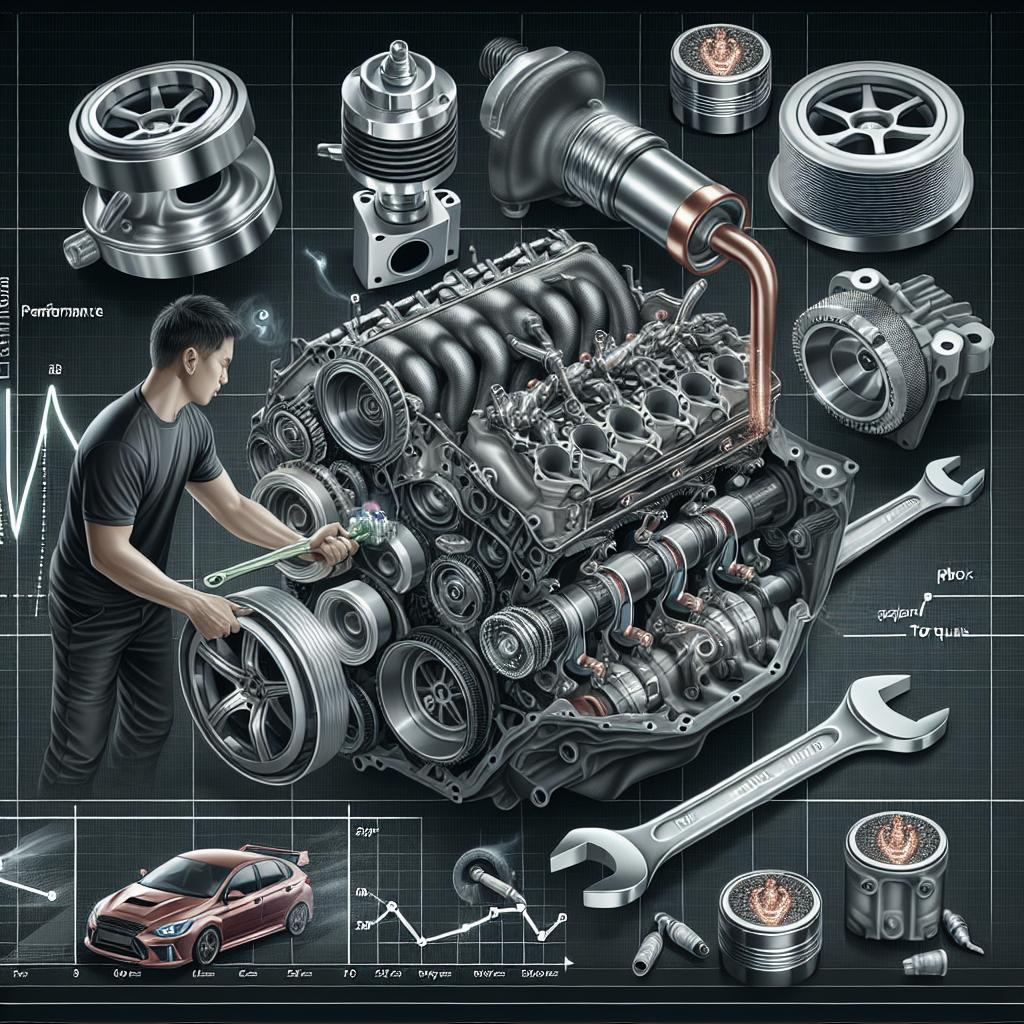
Most traditional cars are powered by ICEs using gasoline or diesel. These engines have become increasingly efficient, with turbocharging, direct fuel injection, and hybrid assistance now common in even mid-tier models.
Hybrid Vehicles
Cars like the Toyota Prius use a combination of an internal combustion engine and an electric motor to optimize fuel economy and reduce emissions. Plug-in hybrids (PHEVs) offer the added advantage of short-range electric-only driving.
Electric Vehicles (EVs)
The automotive world is rapidly shifting toward electric power. Models such as the Tesla Model 3, Ford Mustang Mach-E, and Rivian R1T are pushing boundaries in range, performance, and design. EVs run on battery packs and electric motors, offering zero tailpipe emissions and lower maintenance costs.
Safety Features in Modern Cars
Safety is now a critical component in every new car purchase. Standard and optional technologies include:
- Anti-lock Braking Systems (ABS)
- Electronic Stability Control (ESC)
- Lane Departure Warning and Lane Keep Assist
- Blind-Spot Monitoring
- Adaptive Cruise Control
- Autonomous Emergency Braking (AEB)
These features are often bundled into comprehensive driver-assist suites like Toyota Safety Sense, Ford Co-Pilot360, or Honda Sensing. These systems use radar, cameras, and AI to monitor surroundings and help avoid accidents.
Interior Technology and Connectivity
Today’s cars are mobile tech hubs. Infotainment systems with large touchscreens, voice command, smartphone integration (Apple CarPlay, Android Auto), and cloud-connected navigation are now standard in many models. High-end models offer:
- Head-up displays projecting speed and directions onto the windshield
- Wireless charging for smartphones
- Over-the-air software updates
- Integrated voice assistants like Amazon Alexa or Google Assistant
This focus on connectedness makes cars smarter, more adaptive, and increasingly interactive.
Autonomous Driving and the Future
Autonomous driving technology is rapidly advancing. While fully self-driving cars are not yet mainstream, several vehicles already offer Level 2 autonomy, where the car can steer, accelerate, and brake on its own under supervision. Examples include:
- Tesla Autopilot
- GM Super Cruise
- Mercedes Drive Pilot
The goal is to reduce accidents caused by human error and offer convenience for long-distance travel or heavy traffic.
Fuel Efficiency and Environmental Impact
Fuel economy plays a critical role in car design. Advances in aerodynamics, engine efficiency, hybrid powertrains, and electric motors have dramatically improved miles per gallon (MPG) ratings across all segments. Government regulations worldwide now push for carbon neutrality, leading automakers to invest heavily in cleaner technologies.
EPA Ratings and Real-World Performance
While EPA fuel economy ratings offer guidance, real-world figures can vary based on driving habits, weather, and terrain. Apps and onboard monitoring systems now help drivers optimize their efficiency in real-time.
Global Leaders in Car Manufacturing
Several global brands dominate the car market, each known for specific strengths:
- Toyota – Reliability and hybrid leadership
- Ford – Innovation in trucks and electric transitions
- Volkswagen – Engineering quality and global presence
- Hyundai/Kia – Technology at competitive prices
- Tesla – Pioneering electric performance
- BMW/Mercedes-Benz/Audi – Luxury, performance, and design excellence
These manufacturers continue to innovate with AI, electrification, and mobility-as-a-service models like car subscriptions and shared fleets.
Design and Aesthetics
The visual appeal of cars remains a key purchase factor. Design language differs across regions and segments:
- Japanese design focuses on simplicity and aerodynamics
- German engineering emphasizes performance and structure
- American brands combine bold lines with comfort and utility
- Italian cars (Ferrari, Maserati) are known for exotic styling and flair
Exterior finishes, LED lighting, wheel designs, and body lines reflect a vehicle’s personality, while interior layouts focus on comfort, ergonomics, and technology integration.
Maintenance and Longevity
To keep cars running smoothly, regular maintenance is essential:
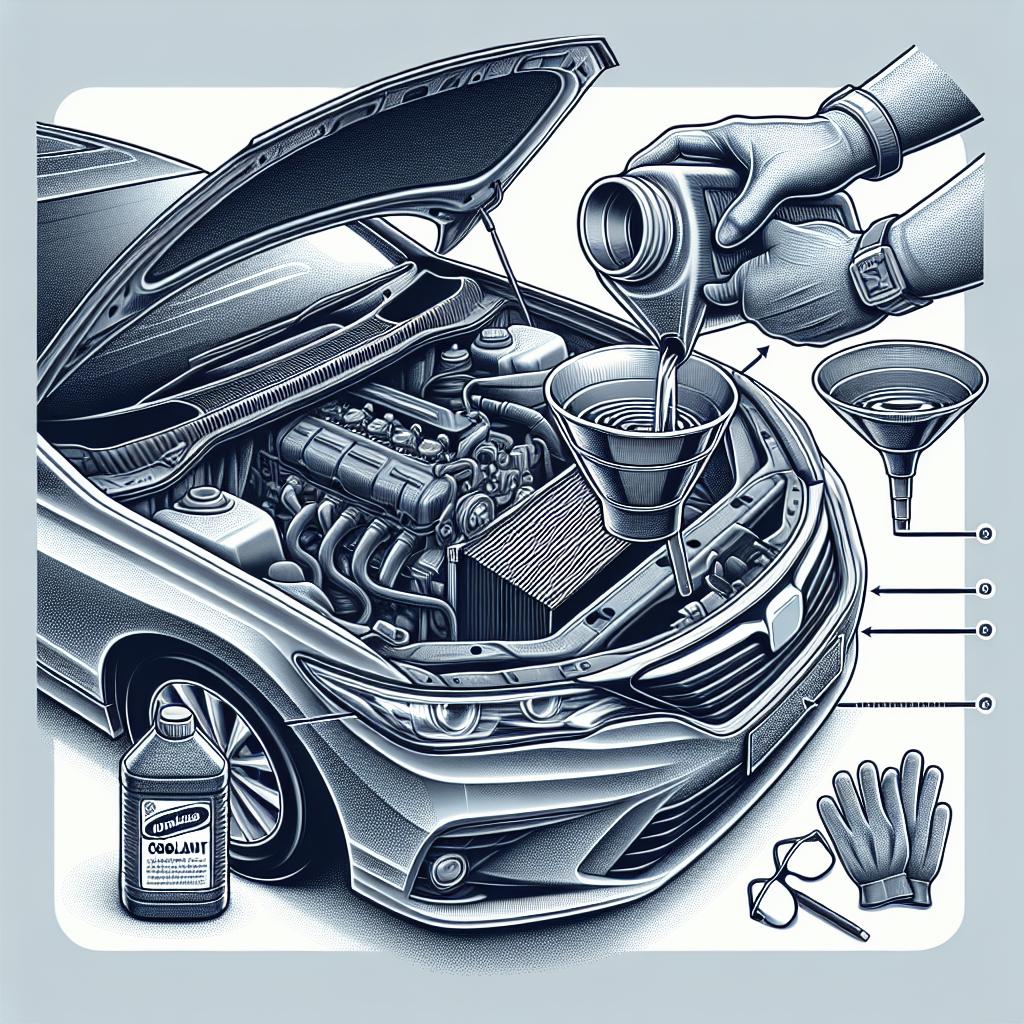
- Oil changes and fluid top-ups
- Brake inspection and replacement
- Battery health checks
- Tire rotations and alignment
- Air filter and spark plug replacements
Modern cars often come with maintenance reminder systems and diagnostic alerts, helping owners stay proactive.