The Testing of Vechicals to In Sure the Best Car
A Quick Look at Royal Valley Casino Before We Begin
Before diving into the world of engineering and safety, it’s worth reflecting on how quality experiences are crafted in other industries. Royal Valley Casino demonstrates this perfectly in entertainment, offering players polished design, engaging features, and trusted gameplay. Just as a casino thrives by ensuring fairness and delivering reliability, the automotive industry relies on rigorous testing of vehicles to in sure the best car for consumers. Both highlight how confidence, consistency, and performance define lasting trust.

Why Vehicle Testing Matters
The testing of vehicles to in sure the best car is not simply an industry formality—it is a fundamental requirement. Automakers must guarantee that every model released meets global safety standards, performs efficiently, and withstands the conditions drivers encounter daily. Without extensive testing, reliability would falter, safety would decline, and consumer confidence would vanish.
The Goals of Vehicle Testing
- Safety: Protect passengers and pedestrians.
- Performance: Ensure engines, brakes, and handling meet high standards.
- Durability: Test components under extreme conditions for longevity.
- Compliance: Align with environmental and regulatory requirements.
Crash Testing: Protecting Lives
Perhaps the most visible part of vehicle testing is crash testing. Organizations such as the National Highway Traffic Safety Administration (NHTSA) and the European New Car Assessment Programme (Euro NCAP) set benchmarks for safety.
Frontal Crash Tests
These measure how well a vehicle absorbs impact in head-on collisions, testing airbags, seatbelts, and crumple zones.
Side-Impact Tests
Side collisions are among the most dangerous. Reinforcements in car frames and airbag deployment are evaluated in such scenarios.
Rollover Resistance
Vehicles with high centers of gravity, such as SUVs, undergo rollover tests to ensure structural integrity.
Pedestrian Safety
Modern testing also accounts for pedestrian impact, measuring how vehicle fronts and hoods mitigate injury risk.
Performance Testing
Performance is more than speed—it’s about stability, handling, and driver control.
Engine and Transmission
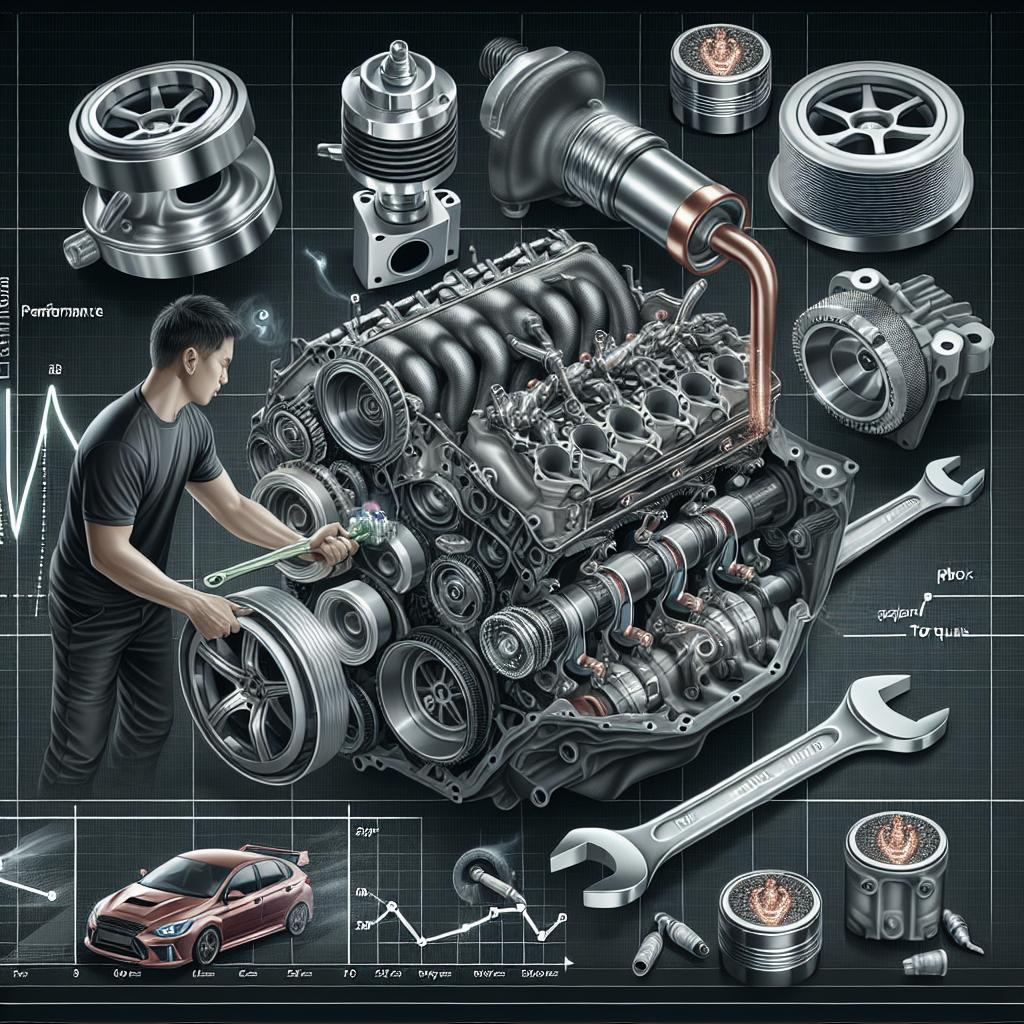
Engines are tested for efficiency, torque, and horsepower under varying loads. Transmissions are evaluated for responsiveness and durability.
Braking Systems
Vehicles undergo repeated braking at different speeds and conditions to ensure consistency and reliability.
Suspension and Handling
Driving comfort and road grip are tested on tracks simulating urban streets, highways, and off-road terrain.
Acceleration and Speed
Cars are measured for 0–60 mph times, top speeds, and fuel efficiency at different performance levels.
Durability and Reliability Testing
The testing of vehicles to in sure the best car extends to long-term reliability.
Extreme Climate Testing
Cars are placed in hot deserts, icy tundras, and humid jungles to test resilience. Components must perform without failing under extreme temperatures.
Corrosion and Rust Resistance
Vehicles undergo salt spray and water immersion tests to measure resistance to rust and corrosion.
Endurance Driving
Prototypes are driven thousands of miles on test tracks to simulate years of real-world use in a compressed timeframe.
Emissions and Environmental Testing
Modern vehicles must comply with strict environmental regulations.
Exhaust Emissions
Engines are analyzed for carbon dioxide, nitrogen oxides, and particulate emissions.
Fuel Economy
Standardized tests calculate miles per gallon (MPG) or liters per 100 km, ensuring transparency for consumers.
Electric and Hybrid Testing
Battery efficiency, charging performance, and range testing are critical for modern EVs and hybrids.
Noise, Vibration, and Harshness (NVH) Testing
A truly refined car isn’t just safe—it feels smooth and quiet. NVH testing measures cabin noise, vibration from engines, and structural harshness. By minimizing these factors, manufacturers enhance comfort and perceived quality.
Advanced Driver Assistance System (ADAS) Testing
Technology is central to modern cars. Testing ensures that features like lane-keeping assist, adaptive cruise control, and emergency braking work correctly.
Simulation Environments
Cars are tested with simulated obstacles to confirm that sensors, cameras, and radars detect hazards accurately.
Real-World Validation
After simulations, vehicles face real roads to verify system performance in unpredictable scenarios.
Global Standards in Vehicle Testing
Different regions apply unique standards, but global brands must meet them all.
United States
The NHTSA and Insurance Institute for Highway Safety (IIHS) provide ratings influencing consumer trust.
Europe
Euro NCAP sets rigorous tests that often drive innovation in safety features.
Asia
Countries like Japan and South Korea maintain their own agencies, while China’s testing is rapidly evolving to meet global standards.
The Role of Prototypes and Test Tracks
Before production, prototypes undergo testing in controlled environments. Automakers maintain specialized test tracks designed with curves, obstacles, and varied surfaces. These tracks simulate years of driving in condensed trials.
Wind Tunnels
Aerodynamics are measured in wind tunnels, testing how drag affects performance and fuel efficiency.
Water Chambers
Vehicles are driven through artificial storms to assess waterproofing and visibility under heavy rain.
Consumer Confidence Through Testing
When consumers purchase a car, they are buying trust. The testing of vehicles to in sure the best car instills confidence that their vehicle will protect them, perform reliably, and meet expectations.
Star Ratings and Public Results
Crash test ratings are published publicly, influencing buyer decisions. Cars with five-star safety ratings often outperform competitors in sales.
Marketing and Testing
Automakers highlight successful testing in advertisements, showcasing durability trials and crash safety footage.
The Future of Vehicle Testing
Autonomous Vehicles
Self-driving technology introduces new testing challenges, including artificial intelligence safety validation and cybersecurity.
Sustainable Mobility
Electric vehicles require new standards for battery safety, charging infrastructure, and recyclability testing.
Virtual Testing
Simulation software reduces costs by digitally modeling crash tests and performance, though real-world trials remain essential.