Roadside breaks are not just a brief pause during a journey. When approached thoughtfully, these moments can recharge drivers, help prevent fatigue, and even become enjoyable mini-adventures. Rather than rushing through each stop or letting stress take over, a bit of planning ensures every break is worthwhile.
Why plan breaks and rest stops matter?
Taking regular pauses while driving long distances is more than a safety tip—it is essential for maintaining both health and alertness. Drivers who prioritize planned breaks usually experience smoother journeys, feeling less tired and remaining more focused behind the wheel.
Unexpected events like traffic jams, weather changes, or detours can add pressure, but having a well-thought-out plan helps manage stress and keeps frustration at bay. These scheduled stops offer an ideal chance to stretch, rehydrate, and mentally reset before continuing the drive. For those seeking engaging activities during their breaks, exploring something like mafia casino online could be a fun way to spend a few moments and unwind.
How to safely pull over and move to safety?
Safety always comes first when stopping along the roadside, especially on busy highways. Selecting a suitable location before pulling over can help avoid dangerous situations and guarantees everyone remains safe.
Whenever possible, choose designated parking areas or rest stops instead of the highway shoulder. Before exiting, activate hazard lights to increase visibility for other motorists. This simple step draws attention and significantly reduces the risk of unexpected accidents.
Preparing before the journey
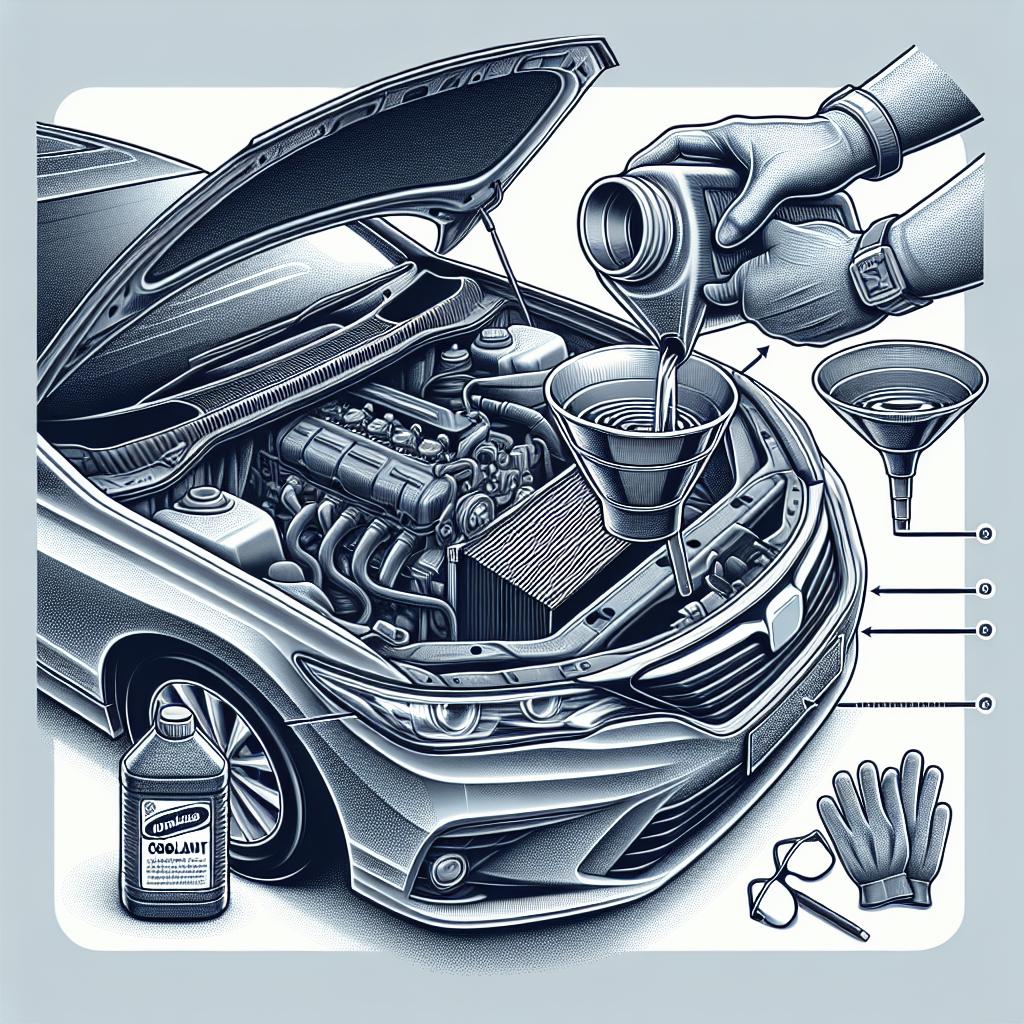
A successful road trip begins with proper preparation. Taking time for vehicle maintenance—such as checking tire pressure, oil levels, and fuel—helps prevent unwanted surprises later on.
Packing an emergency kit provides an extra layer of security. Essential items include a flashlight, blankets, basic tools, and a first aid kit, all within easy reach in case of emergencies. Including snacks and refreshments is also wise, ensuring energy is maintained during any unforeseen delays.
Making roadside breaks comfortable and productive
Transforming a short stop into a genuine moment of relaxation is entirely possible. With a little foresight, even a brief pause can boost mood and restore focus for the remainder of the journey.
Stretching muscles, breathing fresh air, and enjoying a change of scenery work wonders. Instead of hurrying back onto the road, taking a few extra minutes allows both body and mind to reset properly.
Ways to enhance comfort and enjoyment during breaks
Staying calm and managing stress
Traffic delays or unexpected incidents often bring anxiety. Developing habits such as deep breathing or listening to calming music while parked can help manage stress and maintain composure. Staying calm also improves problem-solving if difficulties arise.
If tension builds, stepping outside for a stroll or simply observing the surroundings can help clear the mind. Brief contact with nature—even if only for a moment—often brings clarity and relaxation.
Bringing snacks and refreshments
Hunger can set in quickly, especially during longer drives. Packing nutritious snacks like granola bars, fruit, or water bottles supports both energy and alertness. Keeping perishable items cool in an insulated bag ensures everything stays fresh.
Instead of eating hurriedly in the vehicle, savoring these snacks during a stop makes the break far more enjoyable. Hydrating regularly is equally important for staying focused throughout the trip.
Getting the most from longer stops
Exploring local attractions
Longer stops present perfect opportunities to discover nearby sights. Whether the aim is a quick stretch or a visit to a local park, historical marker, or café, these impromptu excursions can turn a routine wait into a memorable experience.
Consulting local maps or travel apps beforehand may reveal hidden gems that would otherwise go unnoticed. Sometimes, a brief walk through unfamiliar surroundings becomes a highlight of the entire journey.
Checking in on vehicle maintenance
Extended stops serve as convenient moments for routine vehicle checks. Inspect tires for visible wear, check fluid levels, and confirm all lights are working correctly. Regular maintenance lowers the risk of future problems and restores peace of mind quickly.
Use these breaks to tidy up the interior by disposing of trash or wiping down surfaces. A clean environment minimizes distractions and contributes to a more pleasant ride for everyone onboard.
Handling emergencies or unexpected issues
- Assess the situation calmly: Take a moment to understand what has happened before reacting.
- Stay inside the vehicle if unsafe outside: In cases of heavy traffic or poor weather, remaining buckled-up often offers greater protection.
- Increase visibility using hazard lights: Turn on hazard lights immediately to alert others and clearly mark the spot.
- Call for roadside assistance or help: If the issue cannot be resolved independently, contact professional support and provide an exact location for faster response.
- Keep the emergency kit ready: Only retrieve needed items once it is confirmed safe to exit the vehicle.
Mistakes and breakdowns happen, but approaching these moments with patience and clear thinking leads to better results. Double-checking for risks, listening for warning sounds, and following a systematic approach all support effective problem-solving.
If waiting takes longer than expected, open windows periodically for ventilation or, in extreme heat, run the engine briefly for cooling—always making sure exhaust outlets remain unobstructed.
Establishing good habits for future trips
Consistent routines build the foundation for safe and enjoyable journeys, no matter the destination. Creating a checklist before leaving, pre-planning stops, and setting realistic travel times reduce last-minute stress.
Encouraging everyone onboard to communicate their needs concerning stops, meals, or stretching fosters cooperation and maintains harmony throughout the trip.
Small actions that yield big results
Simple steps—such as mindful breathing, reviewing the contents of the emergency kit, or pausing to appreciate the scenery—can transform roadside breaks from minor interruptions into meaningful experiences. With a bit of attentiveness, any driver can make each stop a highlight of the journey.
Returning to the vehicle refreshed and centered after every break leads to more enjoyable and safer travels for all, regardless of how far the final destination may be.